

As the automotive industry shifts towards electric vehicles (EV), the adoption of innovative technologies has become essential for enhancing performance and efficiency. Among these advancements is the regenerative braking system, a hallmark of modern electric and hybrid vehicles that exemplifies the intersection of tech and sustainable driving. BMW, a leader in automotive engineering, has integrated this technology into its lineup, demonstrating a commitment to both performance and eco-friendliness.
Regenerative braking systems capture kinetic energy during deceleration and convert it into electrical energy, which can then be stored in the vehicle’s battery. This process not only extends the driving range of electric vehicles but also contributes to reduced wear on traditional brake components. By employing regen braking, BMW vehicles enhance their efficiency, allowing drivers to experience a seamless blend of power and sustainability while navigating through both urban environments and open highways.
In this article, we will delve into the mechanics of BMW’s regenerative braking systems, exploring how they function, the benefits they provide, and how they contribute to the overall driving experience. Understanding this technology is crucial for consumers looking to make informed decisions in an era increasingly defined by electrification and innovation.
Understanding the Mechanics of BMW’s Regenerative Braking
BMW’s regenerative braking system, commonly referred to as “regen,” leverages innovative tech to enhance the efficiency of electric vehicles (EVs). When the driver applies the brakes, this system transitions the vehicle’s electric motor into generator mode. Instead of wasting kinetic energy as heat, the motor captures it and converts it back into electrical energy.
During deceleration, the energy typically lost in conventional braking is harnessed, allowing the vehicle to recover and store power in the battery. This process not only improves the overall range of the EV but also contributes to a more sustainable driving experience. BMW has integrated advanced algorithms that optimize the balance between mechanical braking and regenerative power, ensuring smooth transitions for the driver.
The seamless interaction between the brake pedal feel and the regen effect is a crucial aspect of BMW’s design, enhancing the driving experience while maximizing energy efficiency. By utilizing the inherent properties of electric motors, BMW ensures that the regenerative braking system plays a vital role in reducing energy consumption and extending the life of the vehicle’s battery.
In summary, BMW’s regen technology exemplifies how modern engineering successfully transforms traditional braking into a sustainable practice, allowing drivers to experience both high performance and improved efficiency in their EVs.
Impact on Electric Vehicle Range and Performance
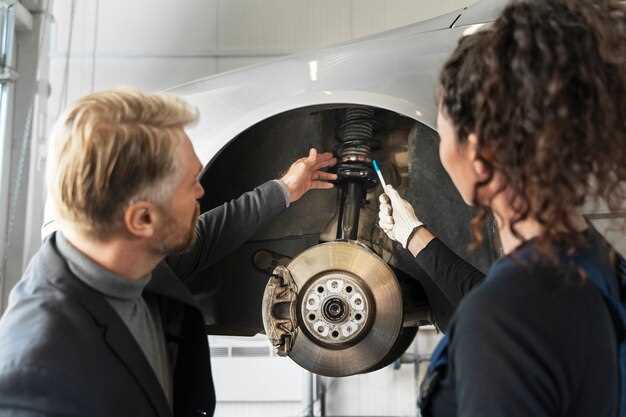
Regenerative braking systems significantly enhance the range and performance of electric vehicles (EVs) by converting kinetic energy back into electrical energy during deceleration. This energy recovery mechanism reduces the need for traditional braking, allowing the vehicle to maintain momentum while simultaneously charging the battery.
When an EV decelerates, the regenerative braking system engages, capturing energy that would otherwise be lost as heat in conventional brakes. This process not only improves energy efficiency but also extends the driving range, enabling drivers to travel further on a single charge. By harnessing the braking energy, EVs can recover approximately 10-30% of the total energy consumed, depending on driving habits and conditions.
The performance of an EV is similarly enhanced through regenerative braking. The system provides smoother deceleration, allowing for a more controlled driving experience. This immediacy in response helps drivers better manage their speed, contributing to safety and comfort. Moreover, when combined with advanced driving aids, regenerative braking can optimize energy consumption further by anticipating stops and adjusting the energy recovery accordingly.
In summary, regenerative braking plays a pivotal role in increasing the range and overall performance of electric vehicles. By efficiently recovering energy lost during braking, it allows for extended travel distances and improved driving dynamics, making EVs more appealing to a broader audience.
Maintenance and User Experience with Regen Braking in BMWs
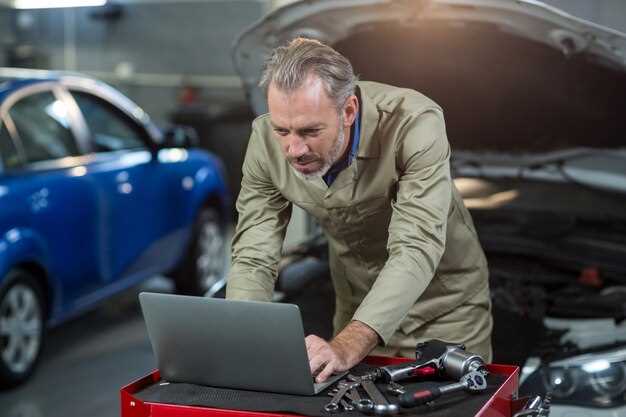
The maintenance of regenerative braking systems in BMW electric vehicles (EVs) is generally low compared to traditional braking systems. These systems utilize electric motors to convert kinetic energy back into electrical energy during deceleration, which helps recharge the battery. As a result, the wear and tear on physical brake components are significantly reduced, leading to longer lifespans for brake pads and rotors.
User experience with regen braking in BMWs is designed to be intuitive and seamless. Drivers often report a smooth transition between regenerative and conventional braking. The system can be adjusted to suit personal preferences, offering different levels of regenerative braking strength. This adaptability allows drivers to choose between a more aggressive regen mode for maximum energy recovery or a gentler mode for a more familiar driving sensation.
Regular software updates play a crucial role in maintaining optimal performance of the regenerative braking system. BMW continuously improves algorithms that control the braking process, ensuring efficiency and reliability. Users can benefit from these updates through over-the-air installations, enhancing their overall driving experience without the need for physical service appointments.
It’s essential for BMW owners to engage with the regen system actively. Utilizing braking efficiency can significantly extend the driving range of their EV. Feedback provided by the vehicle’s display helps drivers optimize their driving habits, making them more conscious of how their braking practices influence battery performance.
In conclusion, the maintenance of regenerative braking systems in BMWs combines intelligent engineering with user-centric design. The experience of regen braking not only enhances the efficiency of EV driving but also contributes to the longevity of the vehicle’s braking components. Engaging with these systems allows users to maximize their driving experiences while minimizing maintenance efforts.